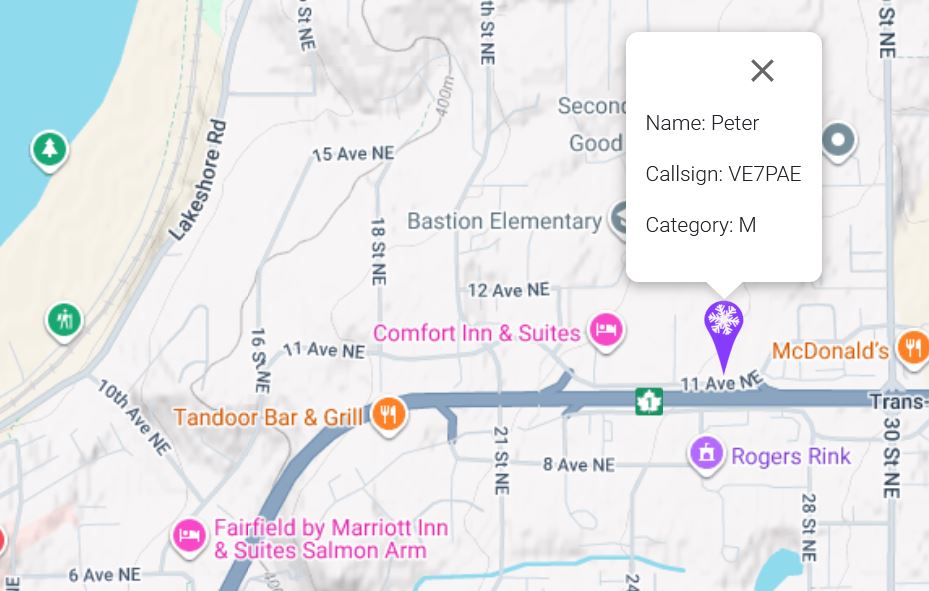
Report by Peter, VE7PAE
Winter Field Day is an annual amateur radio event designed to test the ability of operators to establish and maintain communication in harsh winter conditions. Unlike traditional contests, the focus is on practical field operations, emergency preparedness, and working outdoors in cold weather. Participants set up their stations outside, in vehicles, cabins, or improvised shelters to simulate real‑world conditions in which communication might be required during emergencies. The Winter Field Day Association emphasizes that low temperatures, snow, ice, and short daylight hours provide challenging conditions for testing equipment and operator skills. Winter Field Day 2026 ran for a total of 30 hours.
Day One – SSB on 20 m
I took part in Winter Field Day again this year. The weather was stable but cold: nighttime temperatures dropped below –10°C, while daytime temperatures reached about –6°C on Saturday and –5°C on Sunday. Clear skies and sunshine made the outdoor operating a bit more pleasant.
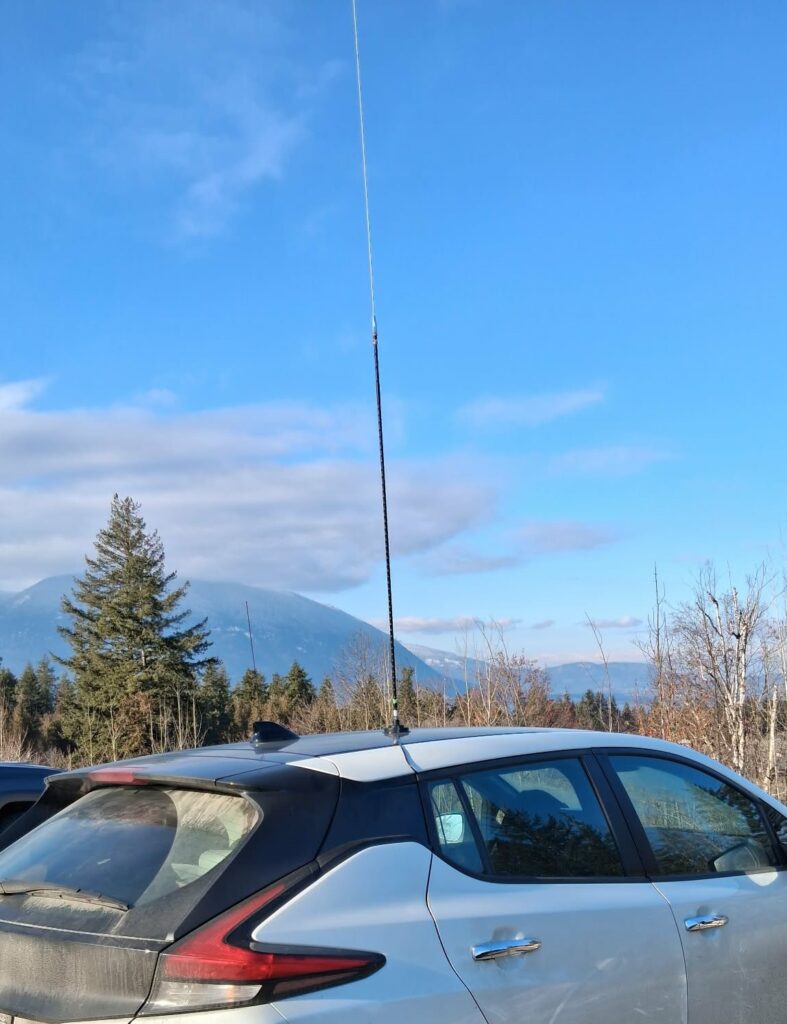
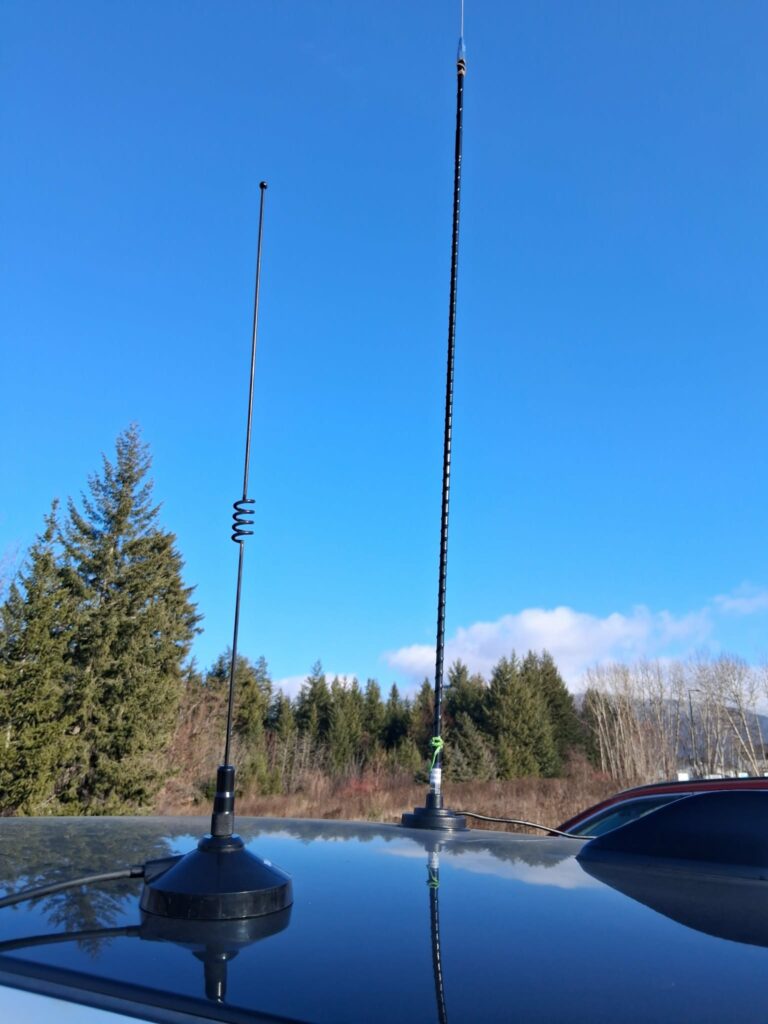
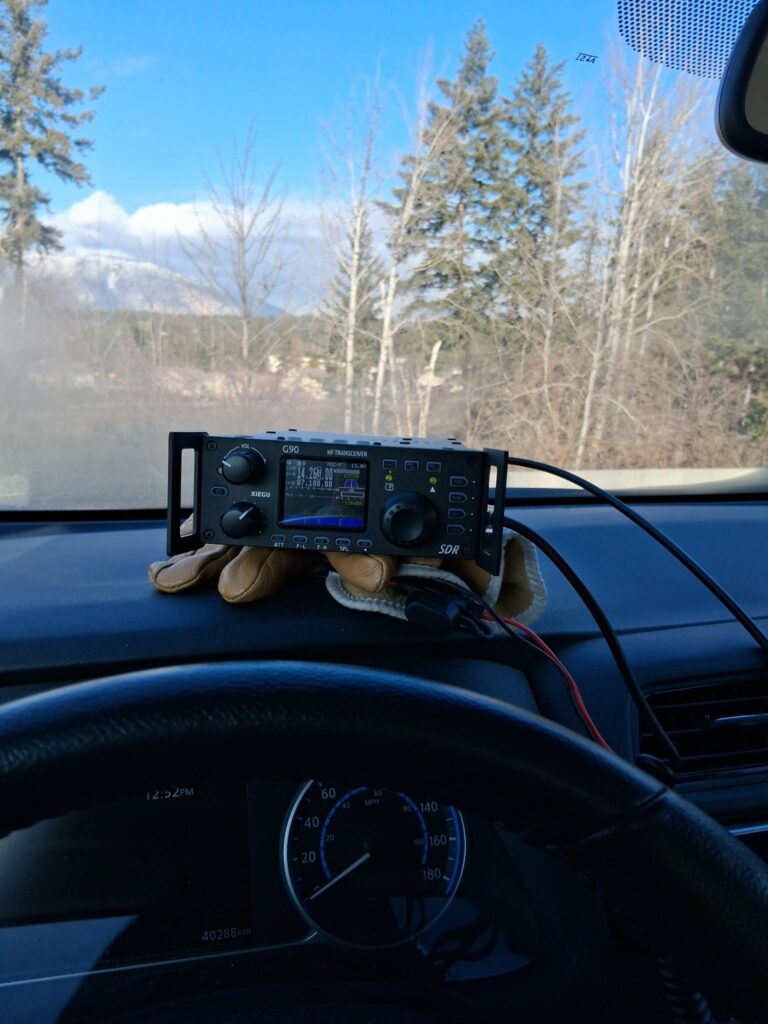
As in previous years, I chose to operate from my vehicle which is very much in the spirit of the event: getting out of the house and testing equipment in real winter conditions. I operated with a Xiegu G90 (20 W), a mobile vertical antenna with a magnetic mount, and an LDG 1:1 balun for equipment protection. My focus was SSB on 20 meters. In about an hour, I logged 10 contacts, which is a solid result for this type of setup. Most of the QSOs on the first day were with stations in Oregon, but I also worked Montana, Idaho, and British Columbia. One station from Montana even complimented the surprisingly strong signal for a mobile station.
Because of the cold, I stayed on the air for about an hour and a half. The EV I used turned out to be less than ideal for winter operating: when the heater is on, it introduces noise similar to household appliances, which makes operating more difficult.
Day Two – Digital Modes: WinLink and PSK31 on 20 m
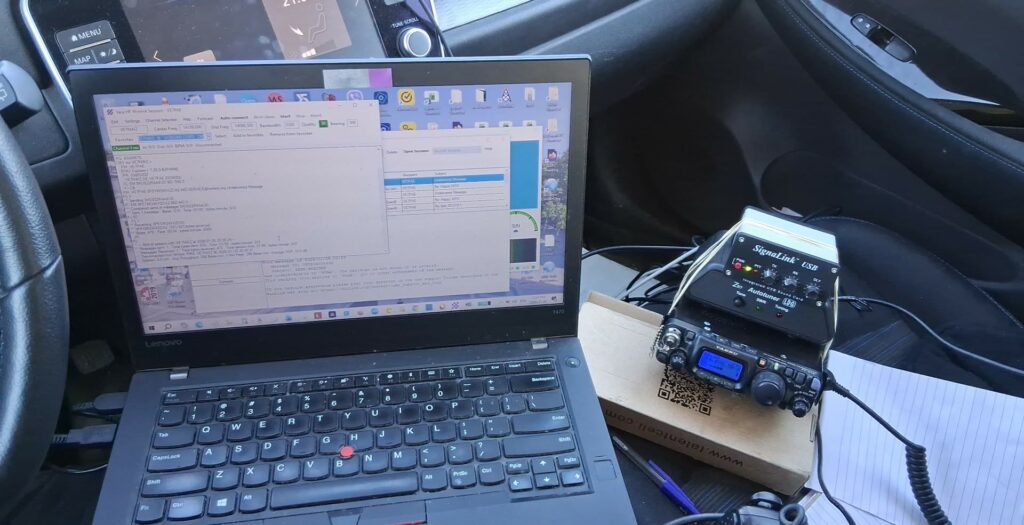
My plan for the second day was to operate digital modes and attempt to send an email over HF using WinLink and VARA HF. I used a Yaesu FT‑818 running 6 W and the same antenna setup. Conditions were excellent, and everything worked smoothly.
I also completed my first PSK31 contact, a very efficient and enjoyable HF digital mode. I was pleased with how well it performed. I operated for about an hour and a half on the second day as well.
About the WFD Bulletin
During Winter Field Day, an official WFD bulletin is transmitted, a short message from the Winter Field Day Association intended as a practical exercise in receiving and decoding information under winter field conditions. Operators earn bonus points for successfully copying the bulletin, and it also demonstrates the versatility of amateur radio by being transmitted on multiple bands and in multiple modes (SSB, Olivia, digital modes). The bulletin includes official messages, reminders, and safety notes, making it an important part of the event that blends tradition, training, and a competitive element.
This year’s bulletin (2026) informed participants that the event runs until January 25 at 21:59 UTC and emphasized the goal of practicing readiness in winter conditions such as snow, ice, wind, and extreme cold. It highlighted operator safety: warm clothing, monitoring for frostbite and hypothermia, staying hydrated, and watching the weather. It also recommended taking advantage of good propagation toward Europe on 10 meters. The bulletin encouraged operators to make contacts across North America and around the world, strengthening overall communication preparedness. All official rules and resources are available at winterfieldday.org.
73, Peter – VE7PAE